
How to Get Freelance Clients (Even If You're Starting from Zero)
The exact strategies I used to build a $2M+ freelance career — from warming up your network to cold outreach that actually gets responses.
$115K
Earned in year one after cold-emailing 20–30 brands
3/5
Cold outreach responses that converted to paying clients
150+
Creatives coached to land their first freelance clients
The number one question I get is some version of: "I know what I want to offer — but how do I actually find people to pay me for it?" It's the most common sticking point, and I get it. You've done the work of defining your services, setting your rates, building your website — and now you're staring at a blank client roster wondering where to start.
Here's the truth: getting freelance clients is a numbers game with a very learnable playbook. There's no secret. There's no magic platform. There's just a sequence — and once you know it, it works.
"The most powerful sales tool you'll ever have is word of mouth. Do your best work, go above and beyond, and be the resource everyone wants to brag about."
Step 1 — Start with your warm network
Before you do anything else — do the people in your life even know what you're offering? This sounds obvious, but most new freelancers skip straight to cold outreach when their warmest leads are sitting right in their contacts list.
Text your friends. Email your old coworkers. DM your LinkedIn connections. Message anyone you know who owns a business or works somewhere that could use your services. This costs nothing, takes one afternoon, and almost always produces at least one lead.
Write a simple outreach message: craft one template you can customize per person. Lead with what you're offering and why you thought of them specifically.
Send it to at least 10 people: friends, family, ex-coworkers, LinkedIn connections. Even if they don't need your services, they might know someone who does.
Post on your social media: a simple, non-salesy post announcing your services. Lead with your role, what you offer, and how to get in touch.
Ask for referrals directly: text or email friends and family asking them to connect you with anyone who might need what you do. People love to help — they just need to be asked.
Warm outreach template
"Hey [Name]! I hope all is well. I recently started freelance [copywriting] and thought of you and [your business / your company]. If you ever need [website copy, social media support, or newsletter writing], I'd love to be a resource for you. You can check out my website here: [yourwebsite.com] — let me know if you want to connect!"
Customize it per person. Reference something specific about their business. The more personal it feels, the better the response rate.
The exact emails I use to run a $300K+ freelance business
10 copy-paste scripts for every situation, from cold outreach, follow-ups, rate increases, scope resets, and more. I wrote every one of these myself and still use them today.
Step 2 — Do strategic cold outreach
Once you've exhausted your warm network, it's time to go wider. This is where most people freeze — but cold outreach is just a numbers game. You don't need a perfect pitch. You need a good one, sent to a lot of the right people.
How I got my first clients
When I quit my job in 2017, I made a list of 20–30 small beauty brands I wanted to work with. I went to beauty retailers' websites, found their brand pages, stalked the founders' emails, and reached out with personalized messages offering the specific service I thought each brand needed.
I got 5 responses and won 3 clients. That first year I made $115,057 — nearly double my previous salary. It all started with a spreadsheet and a lot of personalized emails.
The key is starting with an industry you already know. If your last job was in tech, reach out to tech companies. If you have a background in beauty, wellness, or food — start there. You'll have more credibility, more context for your pitches, and a much clearer sense of what these businesses actually need.
Build a list of 20–30 target clients: businesses you'd genuinely love to work with. Dream clients, and smaller versions of them. Don't limit yourself — put them on the list and reach out.
Find the right contact: go to the company's LinkedIn to find who manages what you do. For small businesses, email the founder directly. Use the company domain to guess email formats (firstname@company.com).
Send a personalized pitch: reference something specific about their brand. Offer a solution to a problem you can see they have. Don't ask for opportunity — lead with value.
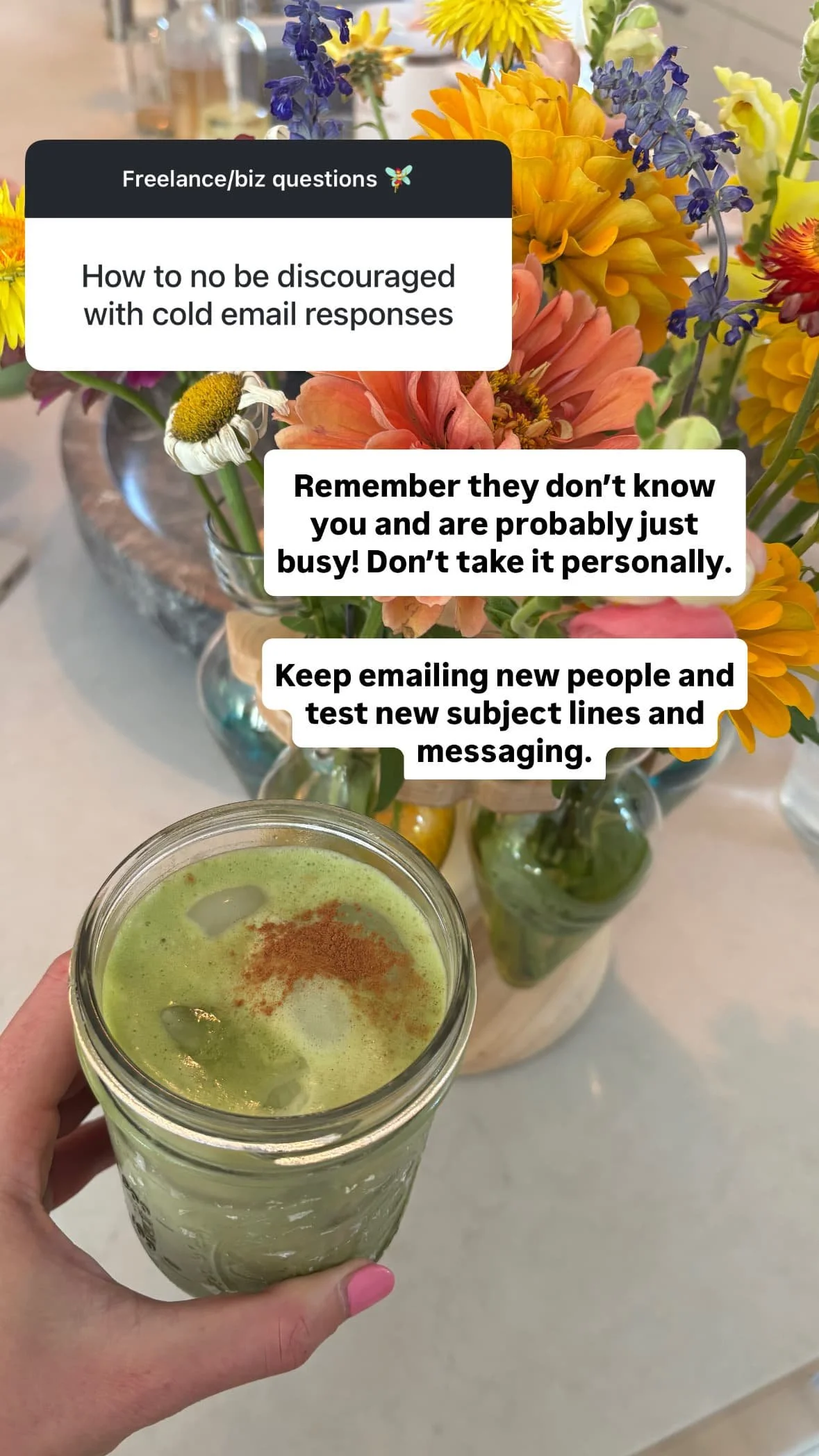
Follow up if no response in 2 weeks: people are busy and miss things. One follow-up is totally appropriate. If still nothing after another month, try once more — then move on.
Before you pitch — do a budget gut check
One of the most common mistakes freelancers make is spending time pitching clients who simply can't afford them. Before you craft a personalized email or hop on a call, do a quick gut check on whether this company has the budget to pay you fairly.
Check their funding or revenue signals: is this a VC-backed startup? A bootstrapped small business? A large corporation? These all have very different budgets. A quick LinkedIn search or Crunchbase lookup takes 2 minutes and tells you a lot.
Look at their current spending: are they running paid ads? Do they have a polished website, active social media, a team? Companies that are already investing in marketing are far more likely to pay for your services than ones who aren't.
Avoid clients who want the friend rate: some people only reach out when they want a discount, a trade, or a favor. If a potential client leads with their "limited budget" or asks you to work for exposure — that's your answer.
Inside the course: the full client vetting framework
How to identify your ideal client, qualify their budget, and avoid wasting time on projects that won't pay what you're worth.
Want the full client-getting playbook?
The How to Go Freelance course covers every outreach strategy in detail — with templates, a tracker, and real examples from my career.
Includes rate sheet, SOW template, contract, client outreach tracker + lifetime access
Step 3 — Use LinkedIn strategically
LinkedIn is the most underrated freelance client acquisition tool — and most people use it wrong. They update their profile and then wait. Don't wait. LinkedIn is an active outreach channel.
Update your headline to "Freelance [X]": make it clear you're available for work. Include the keywords clients would actually search for — not clever titles nobody looks up.
Post weekly about your services: let your network know what you're doing. Share a result you got for a client, a lesson you learned, or a service you offer. Consistency beats virality.
DM potential clients directly: find companies that need your services, identify the right contact, and send a short personalized message. LinkedIn DMs have higher open rates than cold email.
Inside the course: LinkedIn optimization guide
A guide that covers what to write in every section of your profile to attract inbound client inquiries — without posting every day.
Step 4 — Check freelance job boards
Freelance job boards aren't your primary strategy — but they're worth signing up for. Posted jobs tell you what's actively in demand, and they give you a warm lead (someone who's already looking) versus cold outreach (someone you have to convince they need you).
The trick is to not just apply through the platform. When you see a job you want, apply — and then also find the hiring manager on LinkedIn and send a direct message. You'll always have better odds going directly than sitting in a long applicant list. And if a company has posted for a full-time hire but might be open to a freelancer instead — reach out and make that case.
Step 5 — Make networking a daily habit
Most people think of networking as a formal, uncomfortable event. It's not. It's leaving a thoughtful comment on a founder's LinkedIn post. It's DMing someone whose work you admire. It's responding to an Instagram story. It's showing up consistently in the spaces where your ideal clients already are.
Read other people's work. Engage with brands and founders you'd love to work with. Make friends in your industry — not to extract value, but because genuine relationships lead to genuine opportunities. Some of my best clients and most important connections came from a comment, a DM, or a virtual coffee that felt low-stakes at the time.
Allie's story — from $150K salary to $30K/month
One of my clients, Allie, landed her first three freelance clients through three completely different channels: a cold LinkedIn DM to me, a job board listing for OLIPOP where she messaged a connection for an intro, and an Instagram story reply to a founder after the founder posted a quote Allie had written.
Three clients. Three completely different outreach methods. One thing in common: she showed up, made the connection, and led with her work. That's the whole playbook.
Inside the course: the full networking + community strategy
How to build a presence that attracts inbound client inquiries — without posting every day or feeling like you're performing.
Step 6— Build a referral engine
The best freelance clients — the highest-paying, most aligned, most enjoyable ones — almost always come from referrals. This means your existing clients are your most valuable business development asset. Treat them accordingly.
Do exceptional work. Communicate proactively. Go above and beyond on the first project. When people find a great resource, they love to share it. You want to be the person everyone in their network hears about.
"The quality of your work is your brand. Do your best work, go above and beyond, and be the resource everyone wants to brag about — people won't just see you as one of many, they will want to work with YOU."
Stop waiting and start initiating
And don't just wait for referrals to happen. After a successful project, ask directly: "Do you know anyone else who might benefit from what I do?" Most clients are happy to make an introduction — they just need the nudge. When someone does refer you to a client you win, say thank you meaningfully. A handwritten note, a gift card, a referral fee — it doesn't have to be big, but it makes an impression that keeps the referrals coming
Inside the course: how to give a great client experience
The full guide to client communication, meeting deadlines, handling feedback, and building relationships that generate referrals for years.
One more thing — your portfolio matters
When you're reaching out to potential clients, don't send your entire portfolio. Send the 2–3 pieces most relevant to their specific industry or need. A curated, targeted selection says "I understand your business" far better than a giant Google Drive folder says "here's everything I've ever done."
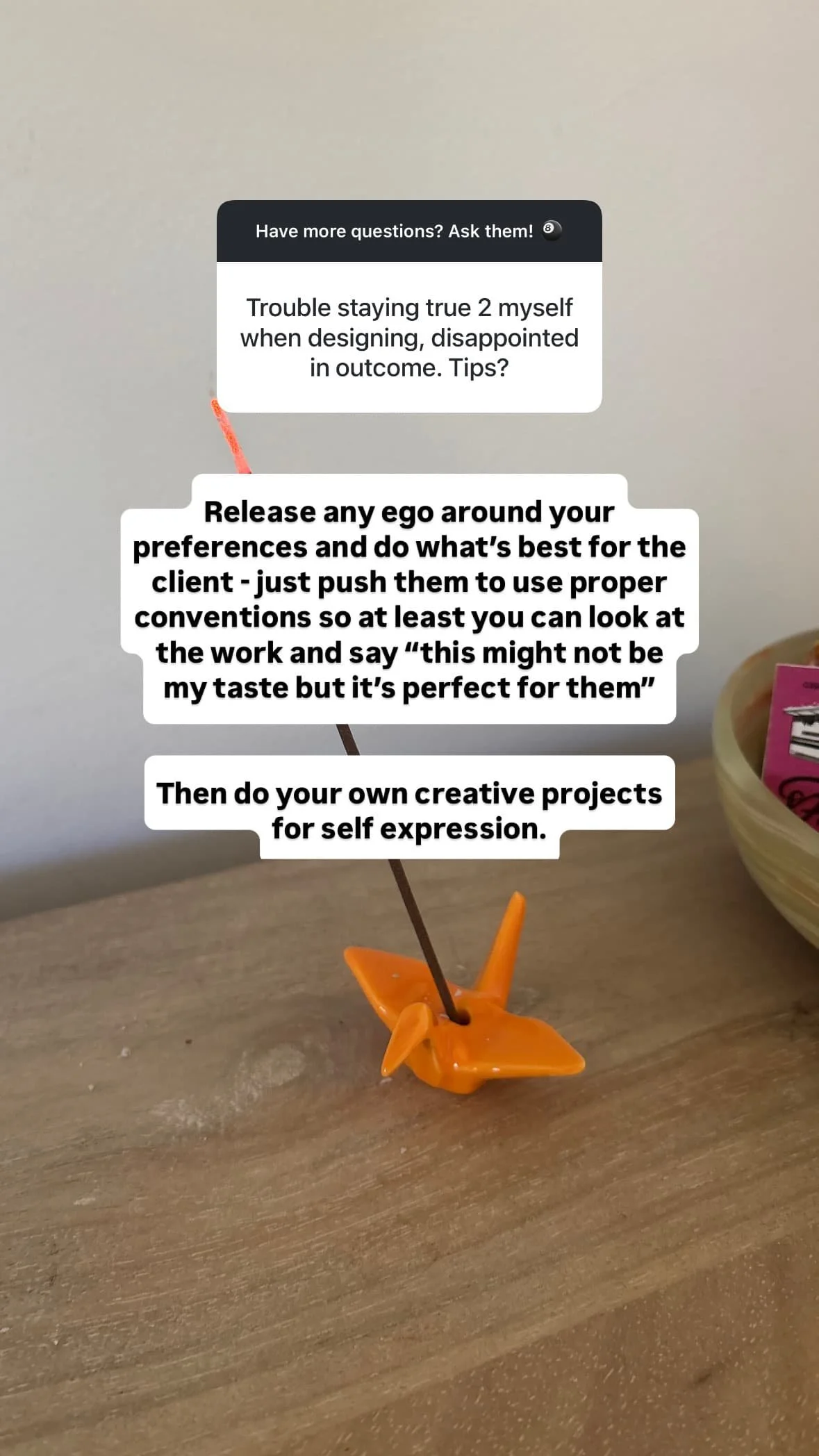
If you don't have relevant work samples yet, create them. Do a personal project that showcases your current skills and taste. Write the kind of copy you want to be hired for. Design the kind of brand identity you want to attract. Walking beats talking — if you say you're a writer, get writing.
"I quit my agency job and now make $30K a month from this workshop!"
Frequently Asked Questions
How do I get freelance clients with no experience?
Start with your warm network — people who already know and trust you. Offer to do a project at a reduced rate or even free in exchange for a testimonial and portfolio piece. Then use that work as proof when you do cold outreach. Everyone starts with zero clients — the first one just requires a little more creativity.
How many clients do I need to freelance full-time?
It depends on your rates and expenses, but most full-time freelancers thrive with 2–4 retainer clients rather than constantly chasing one-off projects. Even one solid retainer that covers your monthly expenses changes everything — it removes the panic from your client search and lets you be selective.
Does cold email actually work for freelancers?
Yes — when it's personalized and leads with value. Generic "I'd love to work together" emails get ignored. But a specific, well-researched email that identifies a real problem and offers a real solution? Those get responses. I got 5 responses from 20–30 emails and won 3 clients in my first month of full-time freelancing.
Should I be on Upwork or Fiverr to find clients?
These platforms can work, especially early on to build your portfolio and get reviews. But the rates are often lower and the competition is high. Use them as a supplement, not your primary strategy — and always be moving toward direct client relationships where you control your pricing and positioning.
How long does it take to get your first freelance client?
If you activate your warm network and send personalized outreach, most people land their first client within 2–4 weeks. The timeline depends on how many people you reach out to — this is genuinely a numbers game. Send more messages, get more responses.
What's the difference between freelance marketing and client acquisition?
Freelance marketing is the broader category — everything you do to make potential clients aware of you, including your website, social media, and content. Client acquisition is the active pursuit — outreach, pitches, proposals, and follow-ups. Both matter, but when you're starting out, active acquisition (outreach) gets results faster than passive marketing.

Meet grace
Grace Abbott is a West Coast freelance Brand & Marketing Strategist and the founder of How To Go Freelance. She built this e-course based on her personal experience. Parsons School of Design alum, 10+ years freelancing, and now coaching creatives to do the same. Find her on TikTok, Substack, or Instagram.
“View active job listings as clue to what a company needs to get done – and then email them directly telling them how you could provide value and take something off their plate as a freelancer.”